

Introduction
The world of online shopping is undergoing seismic change in 2025. Global e‑commerce sales are set to hit approximately $6.4 – $7.4 trillion, making up about 20 – 24 % of all retail sales worldwide. The Future of Commerce+3Speed Commerce+3Invesp+3 It’s no longer enough just to “have an online store” — the rules of discovery, checkout, fulfilment and even brand‑trust are being rewritten.
For brands and retailers, this means: the stakes are higher, the margin for error smaller, and the window to adapt narrower. Here’s a deep dive into what’s disrupting the landscape — and what to do about it.

1. Market Shift & Growth Trends
Global online shopping is still growing strongly — yet some markets are beginning to show signs of maturity or slower growth. According to eMarketer, ecommerce growth worldwide will decelerate in 2025, due in part to economic headwinds and market saturation. EMARKETER+1
According to one data set: “Over 2.77 billion people are expected to shop online this year.” Speed Commerce
The implication for brands: growth may no longer be simply about “getting online” but how you engage, differentiate, and retain shoppers in a more competitive and expectation‑laden environment.
2. Discovery & Shopping Are Being Redefined
AI & Agent Driven Commerce
Consumer behaviour is tilting away from traditional search / browse models toward AI‑driven discovery. Financial Times+1 For example:
Autonomous agents (chatbots, voice assistants) are beginning to perform product search and purchase on behalf of users. Financial Times
For brands, this means optimizing for semantic search, agent‑friendly metadata, and visibility in places where a user may never even “visit” your website in the conventional sense.
Social Commerce & Ambient Shopping
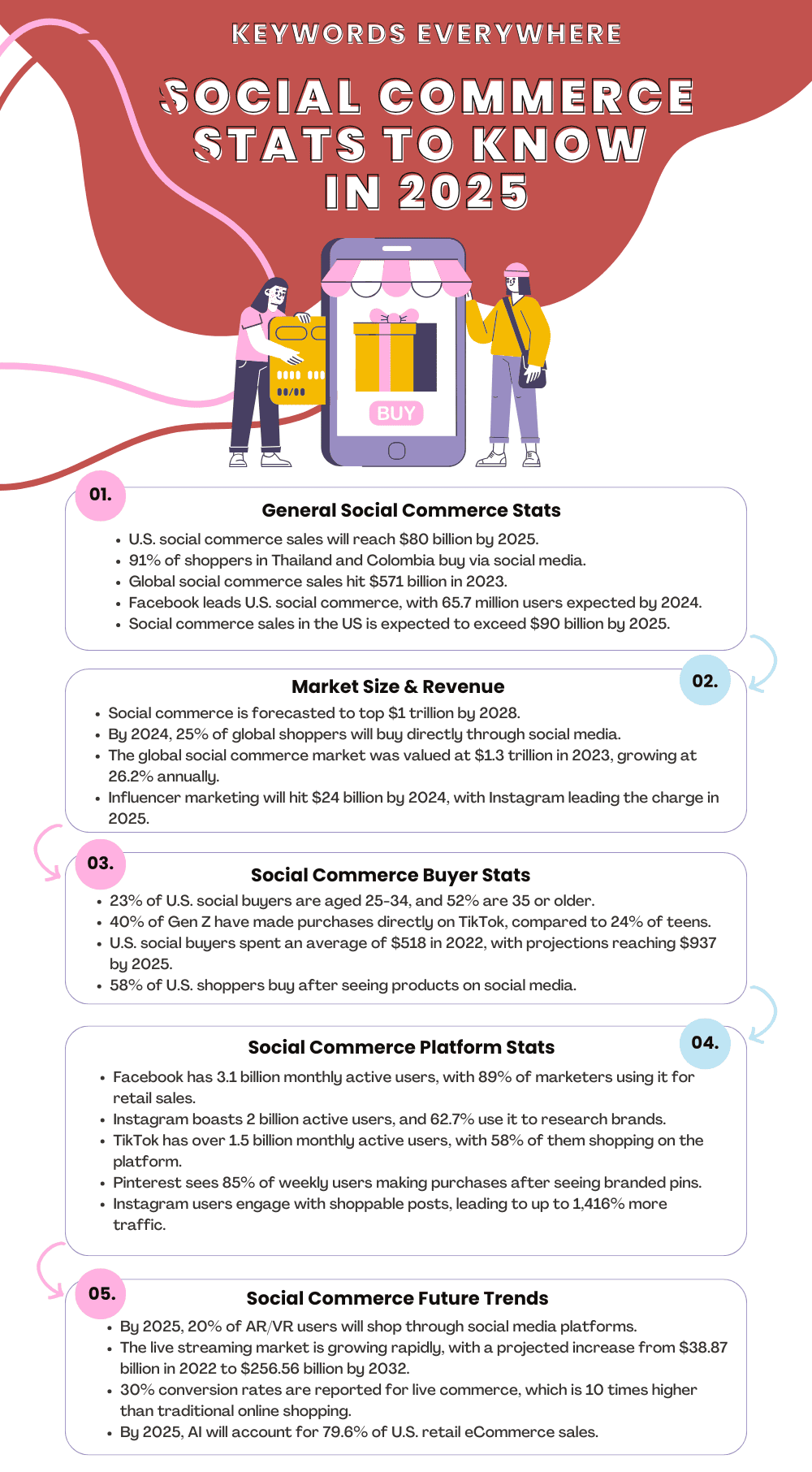
Social media platforms are no longer just marketing channels — they are evolving into direct shopping experiences, where discovery, peer‑influence and transaction collapse into one step. Salsify+1
The takeaway: Brands must think beyond search‑engine optimisation and invest in formats where “shoppable content” is native.
3. Customer Expectations & Experience Are Now Table Stakes
Speed, convenience, and returnability are increasingly non‑negotiable. According to a report by McKinsey & Company, consumers’ tolerance for friction is falling fast — delivery speed becomes “table stakes”. McKinsey & Company
Experience is the differentiator: From initial discovery to post‑purchase service, the entire journey must feel seamless. abtasty
For retailers: Any weak link (slow delivery, bad mobile UX, difficult returns) now risks high dropout.
4. Fulfilment, Supply Chain & Logistics Are Under Pressure
Disruptive factors like trade‑tensions, inflation and global supply chain volatility are influencing online commerce significantly. Speed Commerce
Logistics and fulfilment are becoming strategic differentiators. Brands that own or tightly integrate fulfilment are gaining advantage. For example, in some markets, large e‑commerce players have shifted delivery in‑house. The Economic Times+1
For your business: Evaluate whether your logistics model supports the speed and reliability consumers expect in 2025.
5. Technology & Innovation Are Rapidly Evolving
AI & Personalisation: In 2025, brands that succeed will use AI not just for product recommendations, but for every touchpoint — search results, post‑purchase engagement, attrition prediction. The Future of Commerce+1
Augmented Reality (AR) & Immersive Shopping: Retailers are increasingly offering “see‑it‑before‑you‑buy” experiences (especially in apparel, furniture) via AR. Salsify
New Payment & Checkout Models: BNPL (Buy‑Now‑Pay‑Later), invisible payments, voice commerce and subscription models are gaining traction. Publicis Sapient
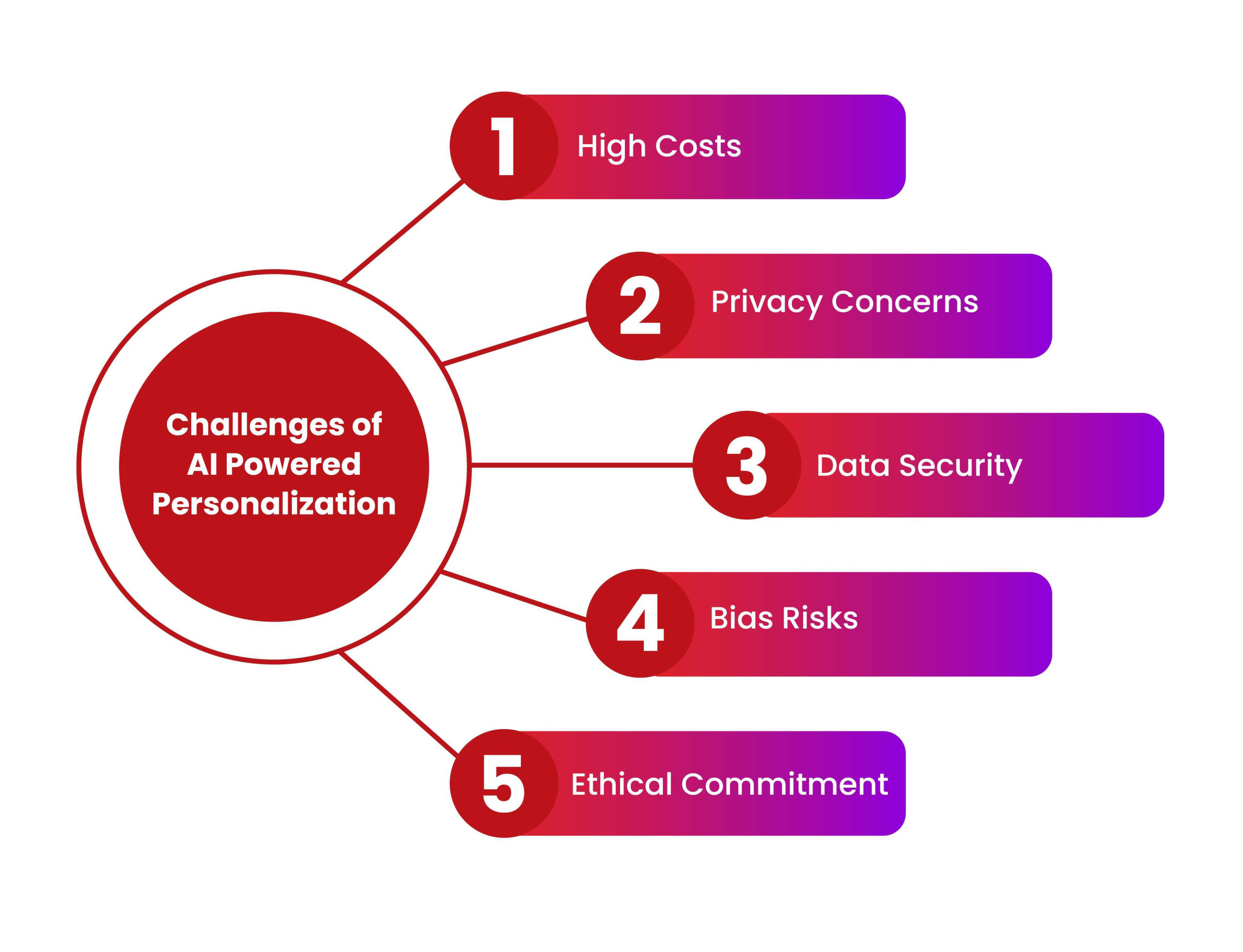
Data Security, Trust & Ethics: As technology deepens, consumer concerns around privacy, data use and trust grow. Brands must act responsibly or risk backlash. The Future of Commerce+1
6. Regional & Market Specifics — Why It Matters for the Philippines & SEA
The Asia‑Pacific region remains a powerhouse for ecommerce growth. In 2025 it is characterised as a region of “both disruption and opportunity”. NIQ
Key point: The growth story in emerging markets like Southeast Asia is still strong — but consumer expectations are rapidly evolving (mobile‑first design, instant delivery, social shopping).
For brands operating (or planning to operate) in the Philippines or Central Luzon: Localise your strategy — payment options, logistics, language, marketing channels must align with regional habits.
7. What Brands & Retailers Must Do Now
Audit the full customer journey: From discovery → cart → checkout → post‑purchase. Identify any friction or leak.
Adopt a mobile‑first & social‑first mindset: Many shoppers will find you via social or mobile, not just via search.
Prepare for AI & agent‑driven behaviours: Ensure your product metadata, UX, and visibility strategies factor in AI agents or voice assistants.
Elevate logistics & fulfilment: Speed, reliability, transparent tracking and easy returns are no longer optional.
Use personalisation smartly: Harness AI/ML to offer tailored experiences, but balance it with data‑privacy and trust.
Localise for your market: Understand the regional nuances (payments, delivery expectations, language) if you operate in the Philippines or Southeast Asia.
Differentiate via experience: With catalogue and price competition high, your service, brand identity and experience become your competitive edge.
Closing
2025 isn’t just another year of “more e‑commerce”. It’s a turning point. The growth engines remain — but the shape of online shopping is changing: how products are found, how they are bought, how they are delivered, and how brands are experienced.
If your next business move is “more of the same”, you might already be behind. Instead: think “what will online shopping feel like in 2027 or 2028?” and build toward that.